
RARE India
Virsa Baltistan Turtuk

Virsa Baltistan, Turtuk

12
Ladakh, India

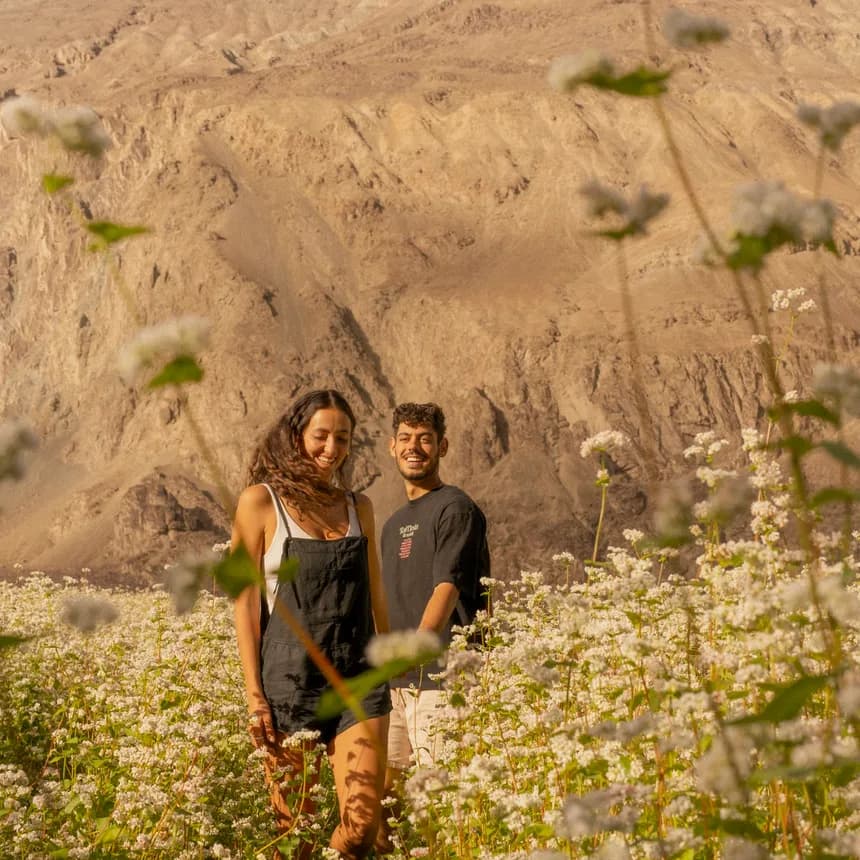
’Sustiana-Balti’ in Turtuk, India’s border village.

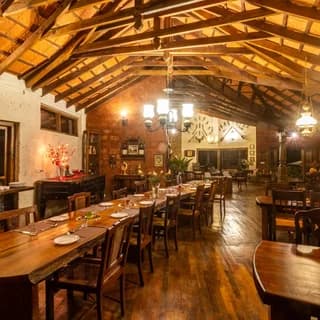
Set beneath soaring poplars, with the Karakoram peaks ahead and the Shyok River flowing just behind, Virsa feels inseparable from its surroundings. Architects Nikita Pamarthi and Venkatesh Senguttuvan worked with over 100 locally sourced, non-mechanised materials; the property honours both landscape and legacy. The timber beams and carved panels were reclaimed from war-affected, abandoned historical structures, wood that once sheltered generations. They were worked by artisans from families with generational woodworking knowledge, using only hand tools and traditional joinery.

Operational Period

Apr 15 to Nov 15

From

INR 13,530 / Night

For Kids
For Kids
Credit Cards
Credit Cards
Laundry
Laundry
Parking
Parking
Restaurant
Restaurant
Room Service
Room Service
Spa
Spa
Wi-Fi
Wi-Fi

Your Stay at Virsa Baltistan, Turtuk, Ladakh

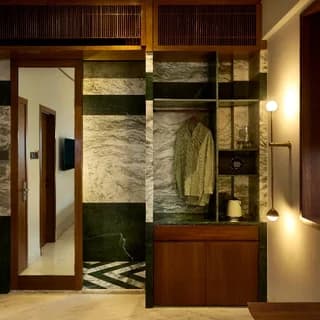
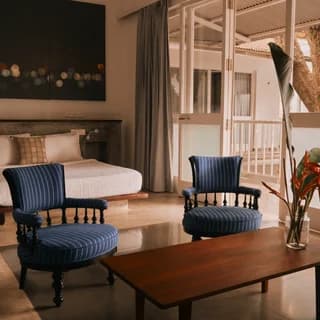
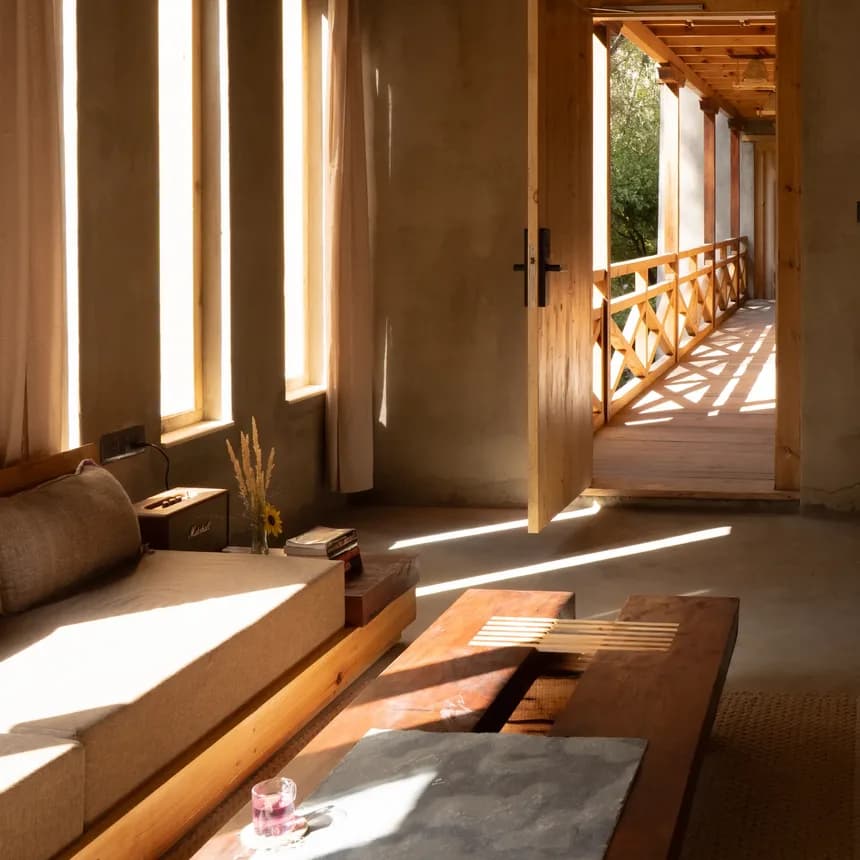
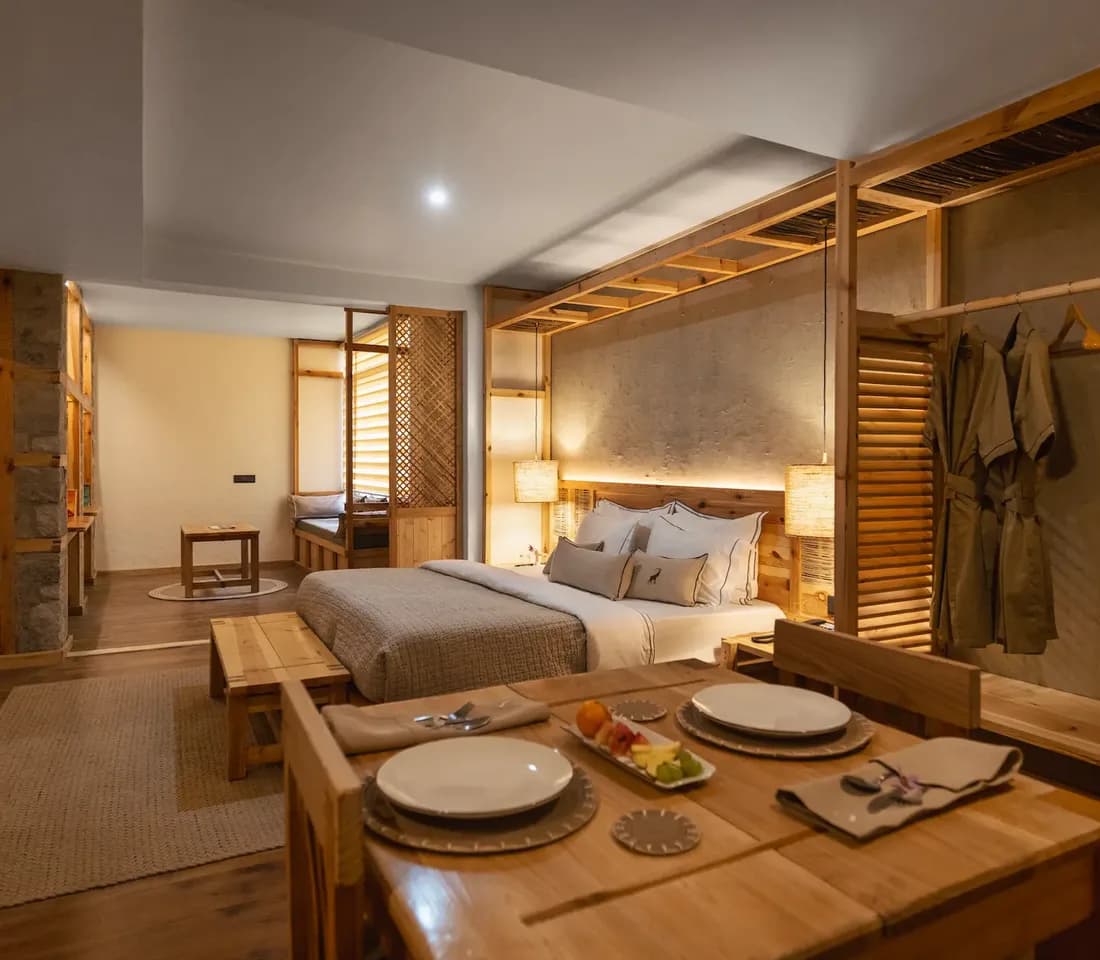
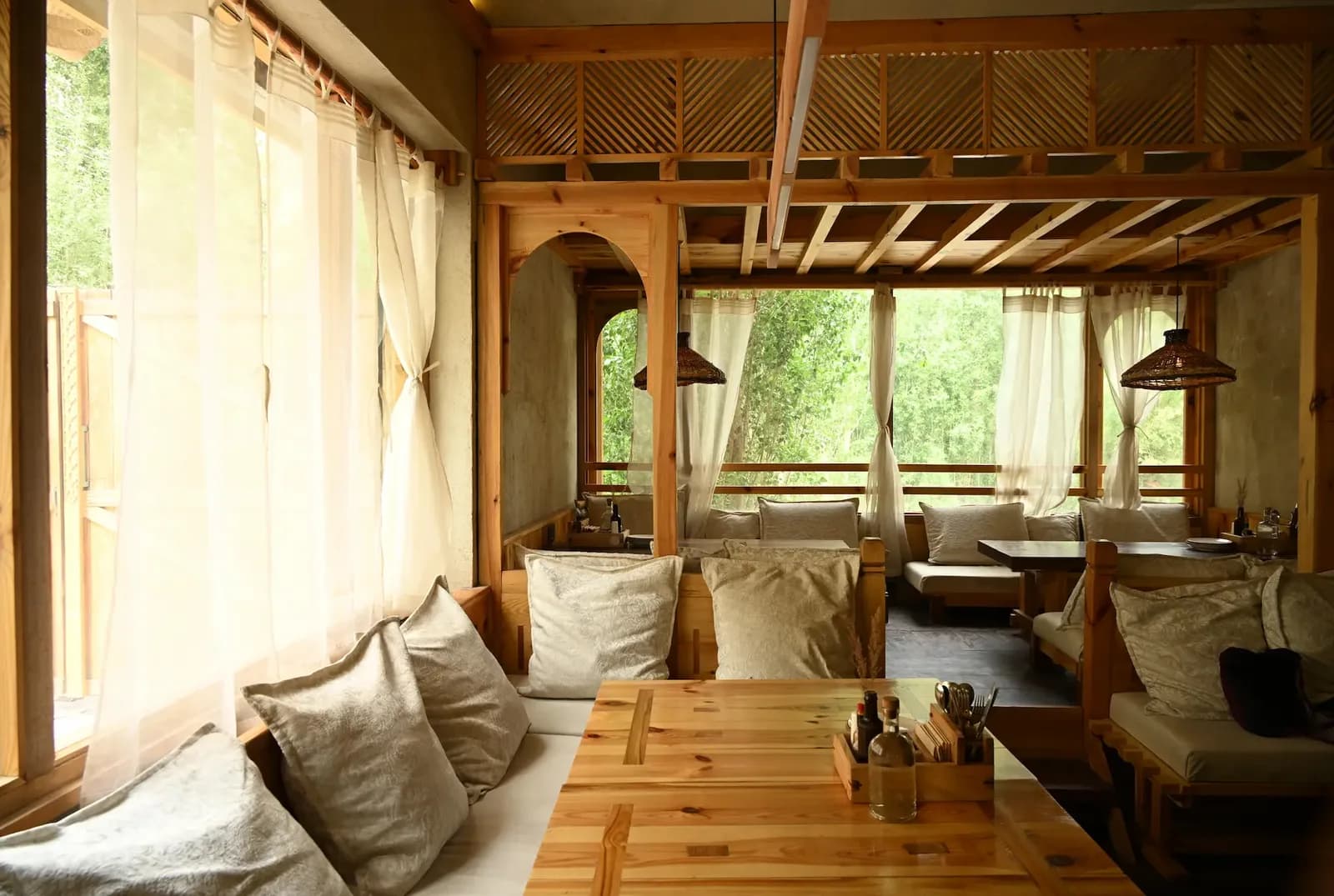
Virsa's 12 rooms are built in earthy tones from locally sourced materials, handcrafted throughout. The two Brangsa Cottage Suites have hand-cut stone, artisanal woodwork, and private courtyards framed by poplars and willows.

Four Broq Suites, inspired by alpine meadows, pair minimalist design with natural warmth. The eight Chorbat Khang Heritage Rooms, inspired by the Chorbat Valley, are defined by timber accents, soft light, and large windows framing views of the mountains and valley.

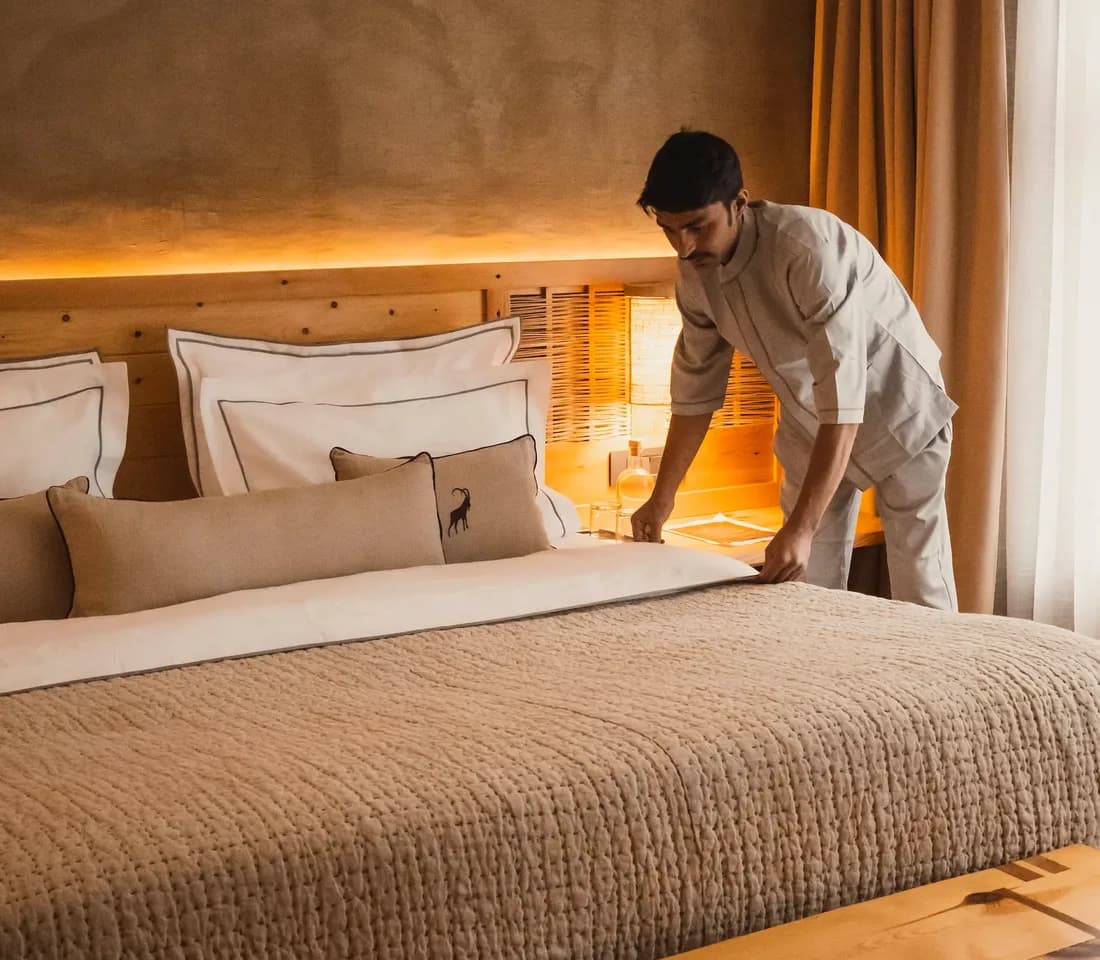
Each room has handcrafted furniture, plush bedding, and bespoke wooden workspaces.

Virsa Superior

Virsa Superior

INR 13,530/ NIGHT

Virsa Suite

Virsa Suite

INR 17,160/ NIGHT

RARE India

Perfectly RARE

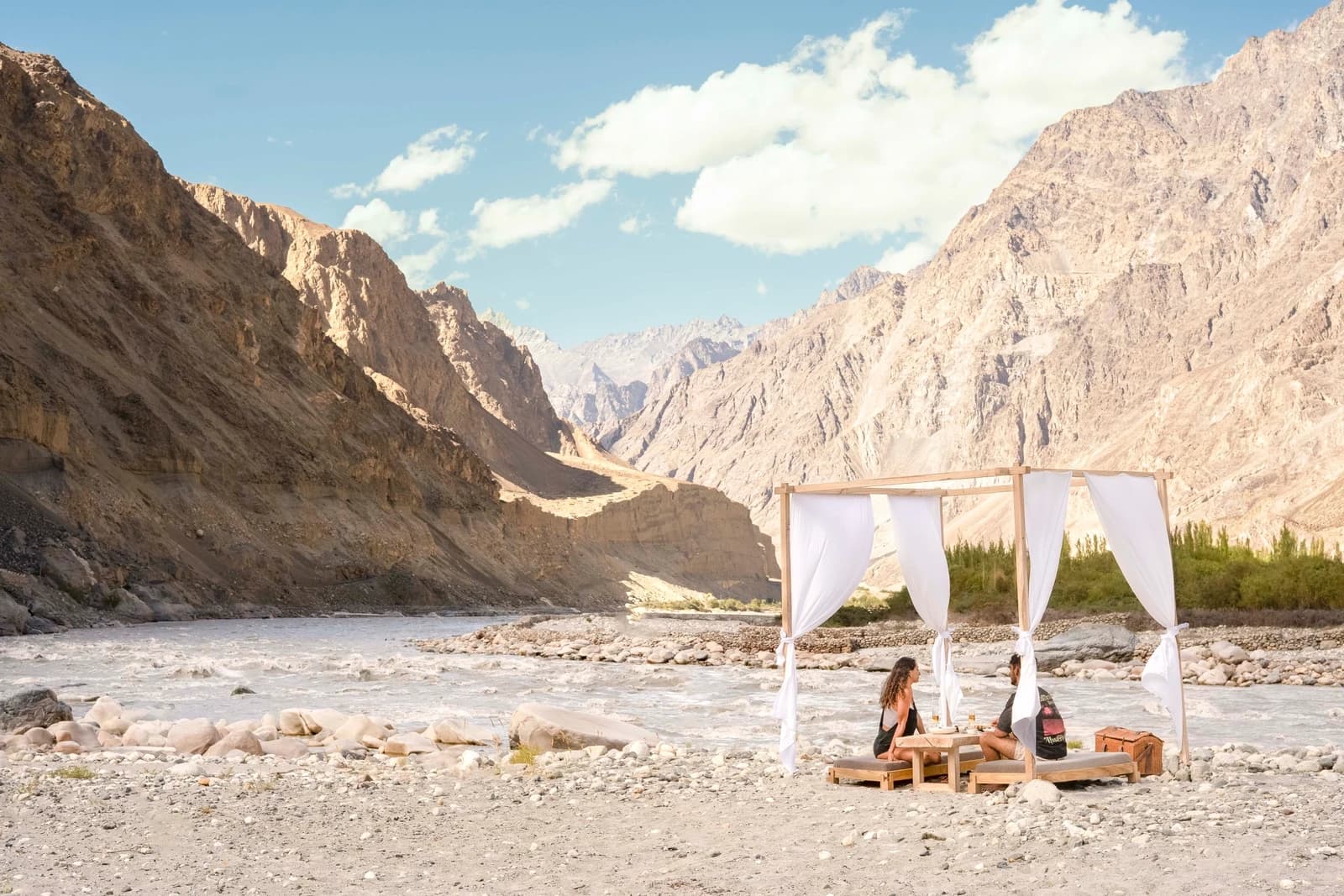
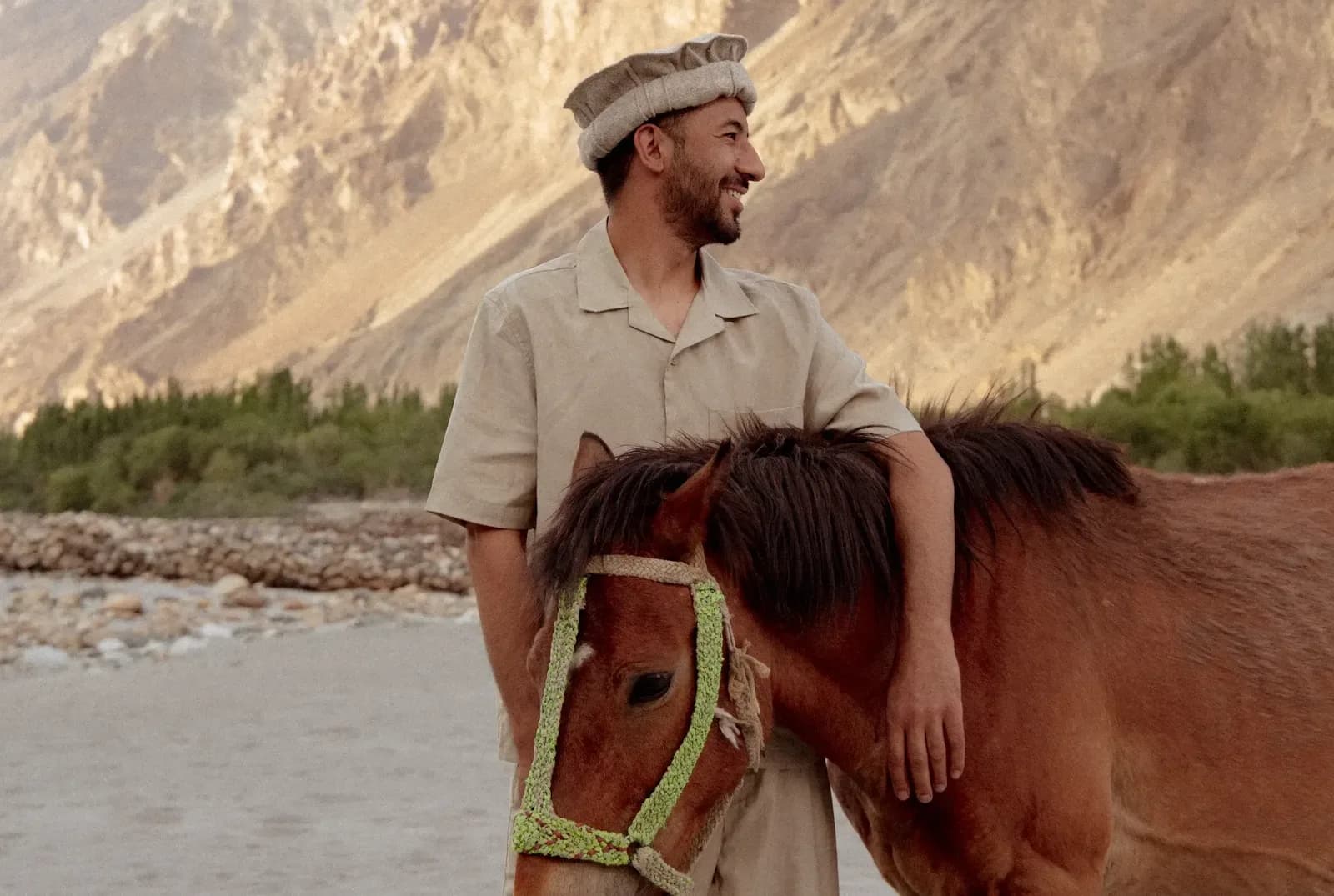
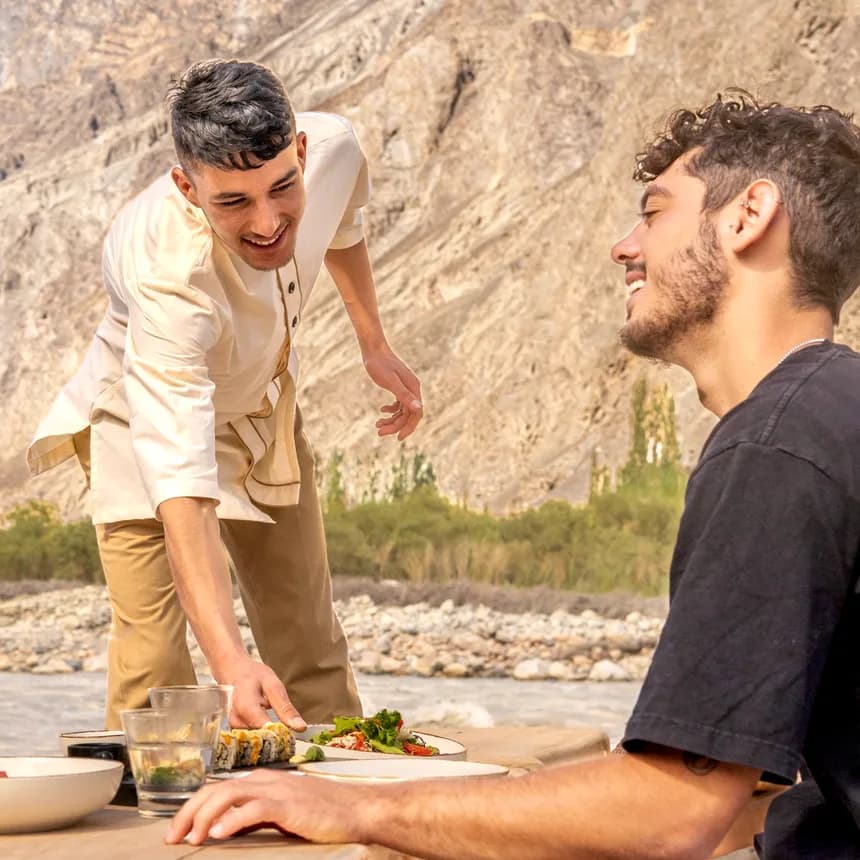
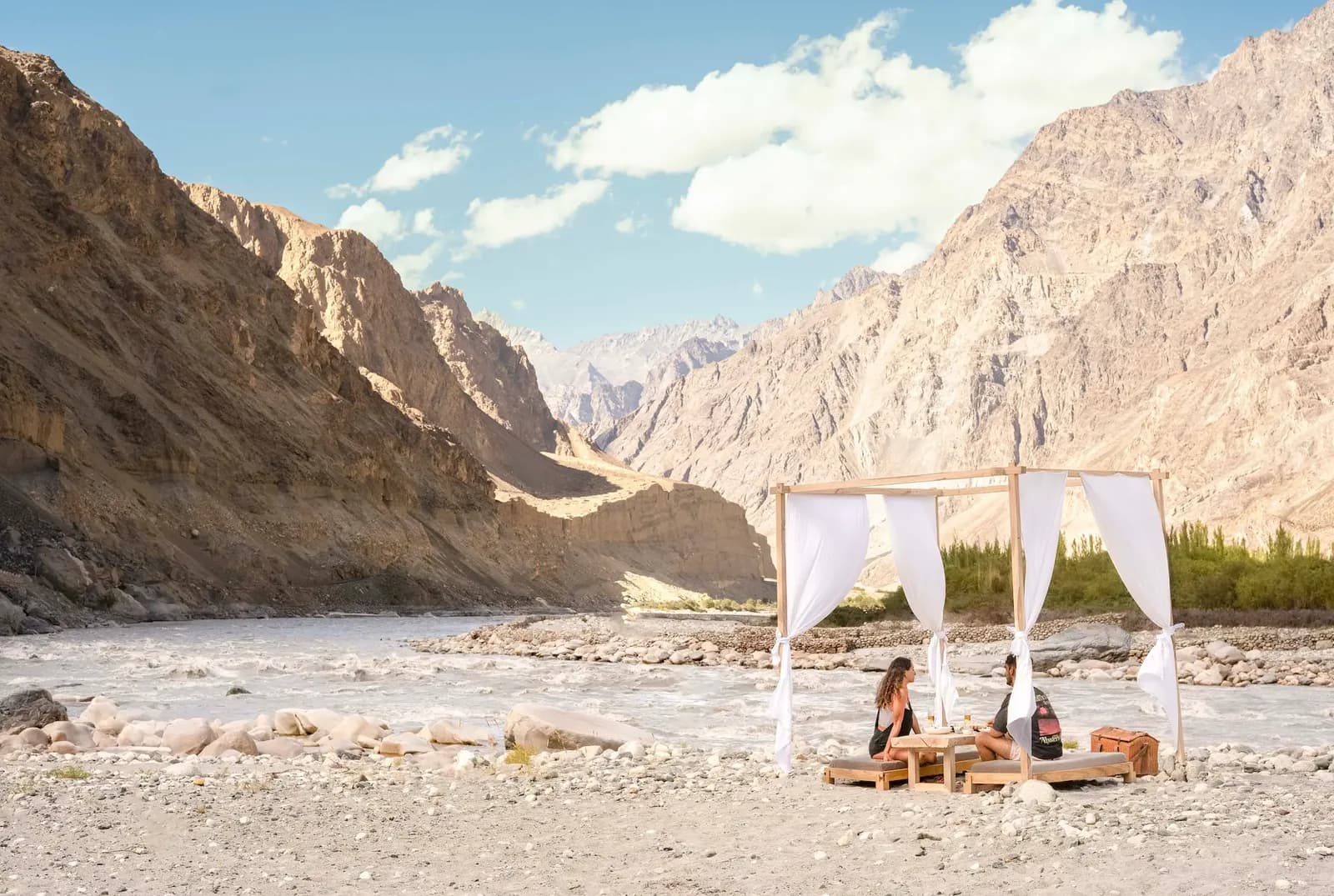
Slow down and let Turtuk set the pace — the river, the poplars, the silence between the peaks. Ask for Ibrahim, whose stories of the valley, told on the sandy banks of the Shyok, are as much a part of the experience as anything the hotel offers.
Destination

Turtuk is often described as India's last village — a phrase that suggests finality, even isolation. But borders are also places where communities, landscapes, and cultures continue regardless.

Set in Ladakh's Nubra Valley, Turtuk is not a single village but a cluster of five: Bogdang, Chulunkha, Turtuk, Tyakshi, and Thang. Around 8,000 people live here, close to the Line of Control between India and Pakistan.

Until 1971, this region was part of Pakistan's Gilgit-Baltistan; the redrawing of borders after the Indo-Pak conflict transformed its political identity overnight, reshaping everyday life for its people. On the left bank of the Shyok River, between the Karakoram and the Himalaya, Turtuk offers India its only window into Balti culture.

Though politics shifted, identity did not. Balti traditions persist in the architecture, the histories passed down in households, and the rhythms of daily life. Once a halt on the Silk Route, Turtuk slipped into obscurity as borders hardened, reopening to travellers only in 2010.

Destination
Design and Concept

Design and Concept

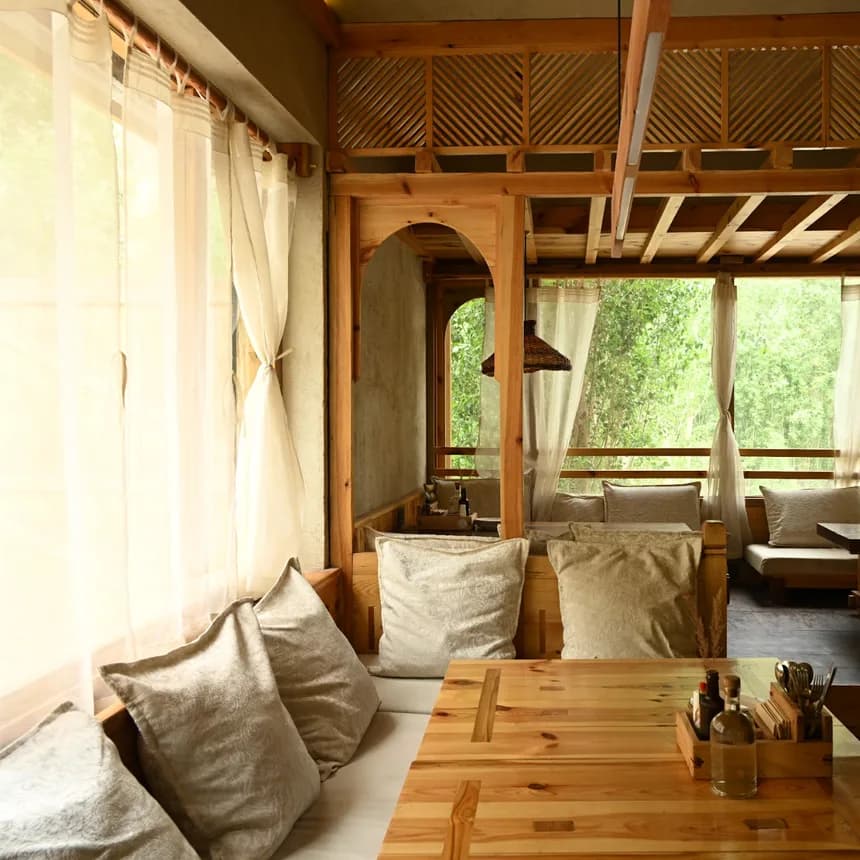
Inspired by traditional Balti homes, the architecture blends ancestral techniques with contemporary comfort. Mud-plastered walls, mixed with apricot pulp, naturally regulate temperature, while intricate wood carvings, rich in geometric motifs and folklore, echo the region’s ancient building traditions.

Constructed mostly using Cator and Cribbage, a nail-free system of interlocking wooden beams that offers seismic resilience, Virsa stands as a collective work of over 200 artisans. Thangka paintings line the walls; handwoven pashmina throws sit against on casual plush sofas with views beyond the windows.

Know your host

Rashidullah Khan was born in Turtuk. He left to study in Bangalore, then worked for Asahi Foods in Japan. When Turtuk opened to tourists in 2010, he returned.

In 2017, he launched Hill Tribe, an organic store sourcing from the highlands and valleys, and The Balti Farm, a restaurant built around Baltistani culinary heritage. Farmers' House Café followed in 2022 — the only café within 200km, named by TIME Magazine as one of the World's Greatest Places in 2024.

Virsa Baltistan opened in 2025. Condé Nast and Travel + Leisure both featured Turtuk that year; Architectural Digest included Virsa in its Gardens Issue. Virsa, in Urdu, means heritage. The hotel is his account of what that means here, in this remote village on the border.

Rashidullah Khan
Restaurant

Dining

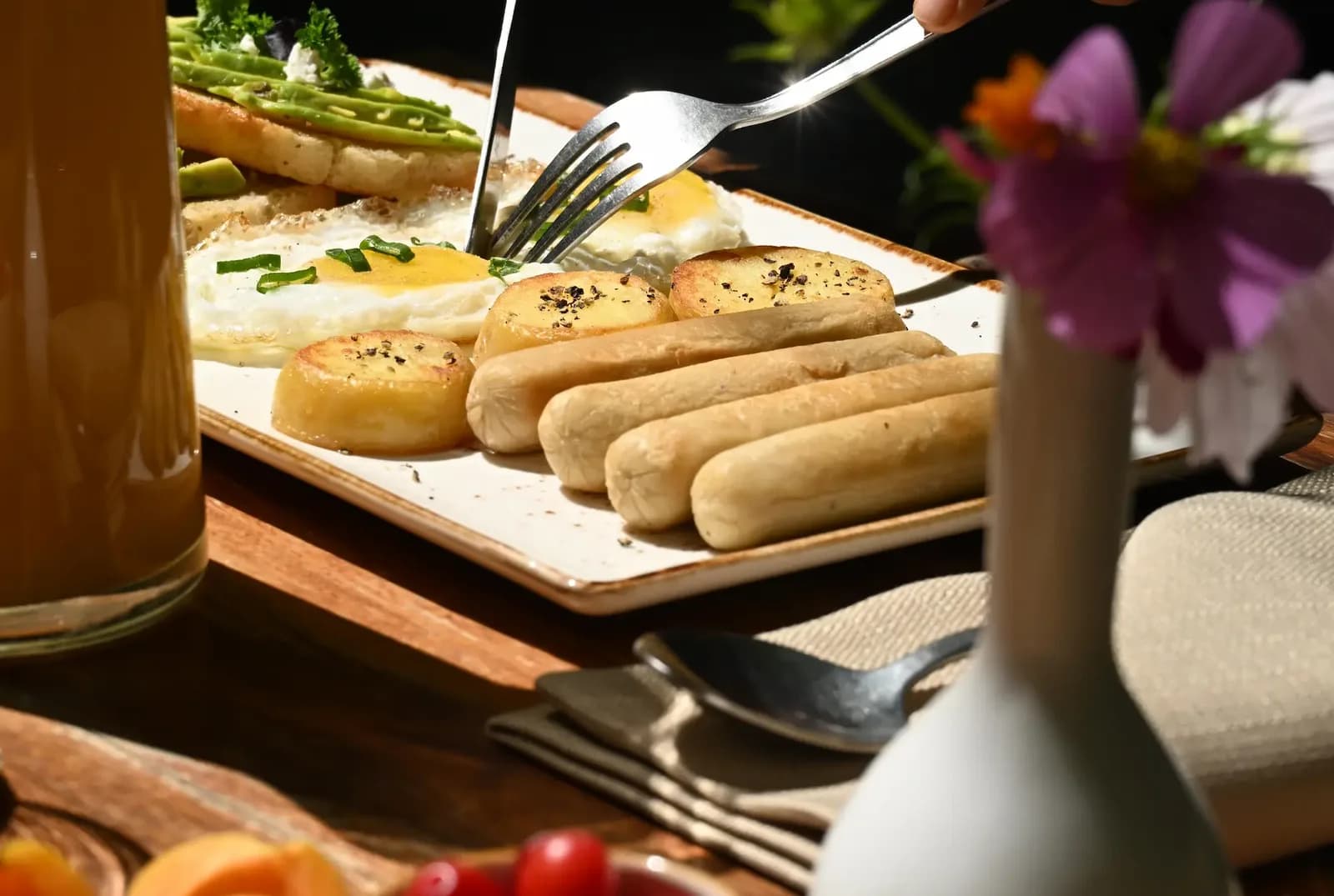
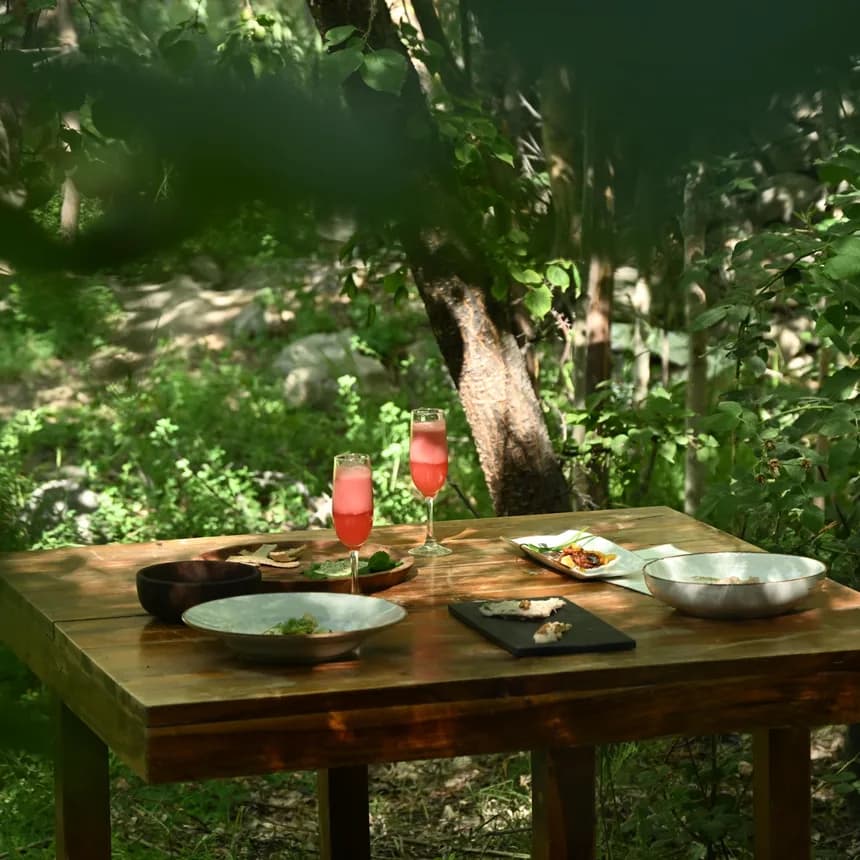
Khangsa, the all-day restaurant, serves Balti cooking alongside Italian, Japanese, and Indian dishes. The Farmers' House Café — the only café within 200km — serves hand-brewed coffee and fresh bakes.

Balti Farm offers a seven-course farm-to-table tasting menu rooted in organic, seasonal produce: khambir with apricot jam, skyu (hand-rolled barley pasta stew), chhurpe-laced thukpa, foraged greens, and apricot wine. All cooked by local women, tied closely to what is grown and foraged in the valley. Yakitori serves traditional Japanese dishes.

Experiences

Virsa curates its experiences around three thoughtful pillars: cuisine, local exploration, and wellness. Gastronomic journeys blend Balti traditions with contemporary global flavours, while immersive local explorations unpack Turtuk’s living heritage through its people.

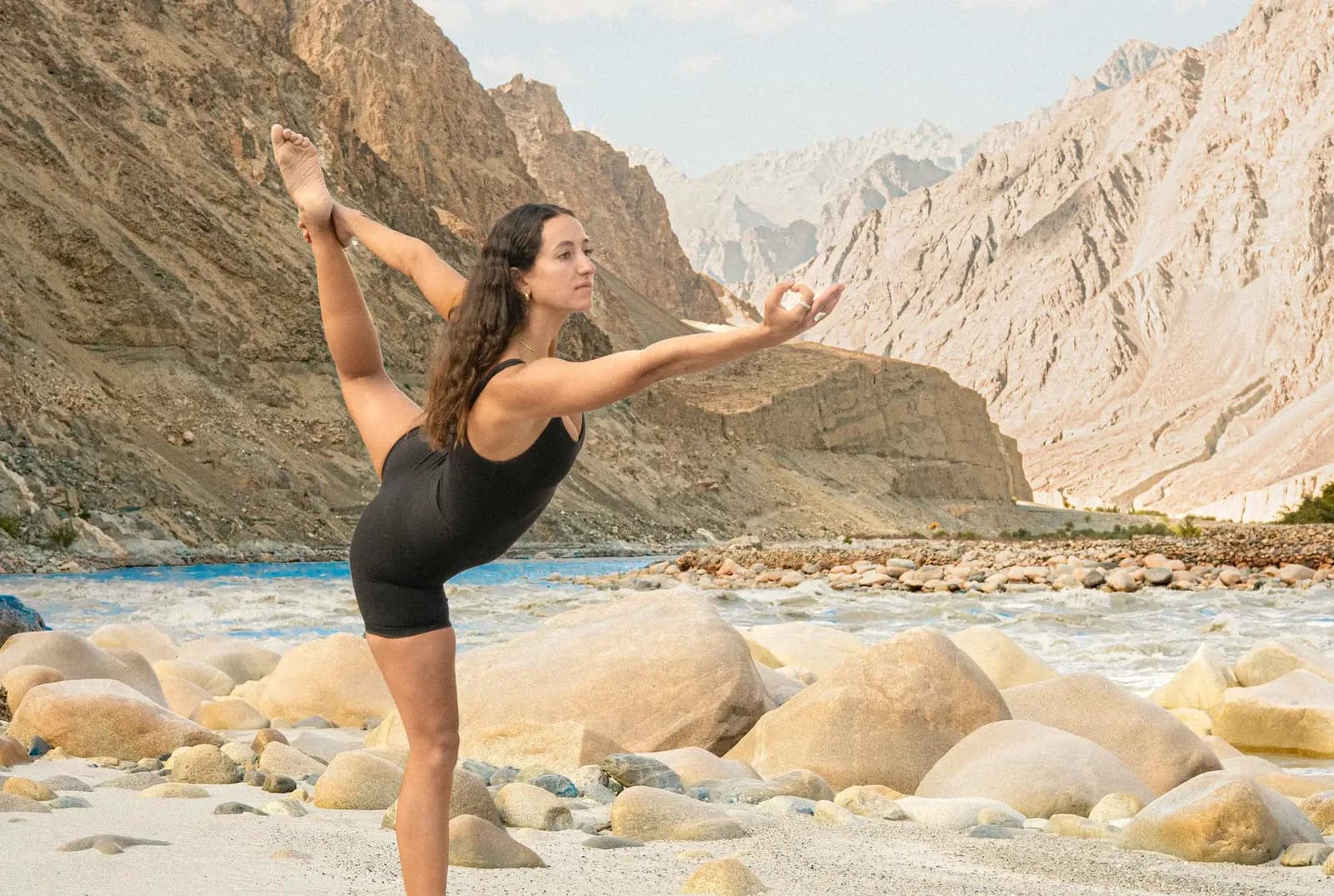
Wellness offerings, from yoga to holistic rejuvenation, are designed to restore balance in the calm of the Himalayan landscape. The Ramdan Nala trek follows the glacial Ramdan stream, leading halfway to the glacier’s mouth along a three-hour trail fed by channels that sustain the valley.

You can pick organic fruit from the orchard and turn it into homemade jam, a sweet memory of Turtuk.

Evenings come alive with a traditional Balti mehfil, where folk songs and dances unfold beneath Ladakh’s star-filled sky. Learn horseback riding or polo with skilled local trainers, wander a quiet forest trail to a hidden waterfall, or explore The Balti Heritage House and Museum, the Kargil War Bunker, Turtuk's palaces, and villages with a guide. These immersive experiences offer a deeper, more meaningful way to discover Nubra Valley.

Yoga
Cooking Class
COOKING CLASS
Indian Pottery
INDIAN POTTERY
Village Walk
VILLAGE WALK
Trekking
TREKKING
Yoga
YOGA
Picnic
PICNIC
Nature Walk
NATURE WALK
Cycling
CYCLING

Explore Around

Balti and Around

The Balti Heritage House & Museum offers an intimate glimpse into Turtuk’s past. Set within a preserved ancestral home, its rooms are filled with everyday artefacts, from traditional attire to farming tools, each quietly telling stories of generations before.

Kargil War Bunker

The Kargil War Bunker is a stark reminder of recent history. Built during the 1999 conflict, this modest shelter protected a local family through years of shelling, standing firm long after the fighting had ceased.

Farol & Youl Village

Farol and Youl offer a window into village life as it has long been lived. Stone pathways wind past traditional homes, life moving at an unhurried pace. Farol opens out to sweeping views of terraced fields, while Youl feels hushed and timeless.

Sustainable Tourism

Biodiversity Conservation

READ MORE
Read more

Water Conservation

READ MORE
Read more

Responsible Waste Management

READ MORE
Read more

Energy Efficiency

READ MORE
Read more

Light Footprint Tourism

READ MORE
Read more

Heritage Preservation

READ MORE
Read more

Join the circle

Join RARE circle for exclusive rewards and privileges at our stunning properties

Become a Member
The Times of India
Architectural Digest
Vogue
Lonely Planet
Travel+Leisure
Condé Nast Traveler
Forbes
The Telegraph
gINKgo

EXCLUSIVE Travel insights and special offers. no spam, just RARITY.
Ramathra Fort, KauraliZhiwaling HeritageThe Nanee, BhaktapurShri Joraver Vilas, SamtrampurTiger Mountain Pokhara LodgeZhiwaling Heritage