

Sustainability Story of Rann Riders
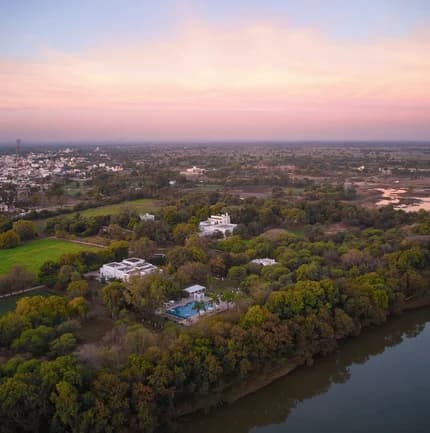
Rann Riders sits near the Little Rann of Kutch, in a landscape of salt, scrub, wetlands, pastoral communities, wild ass, birds, and craft traditions. Its Pinwheel story is broad and deeply rooted, touching energy, water, waste, biodiversity, craft, inclusion, and community.
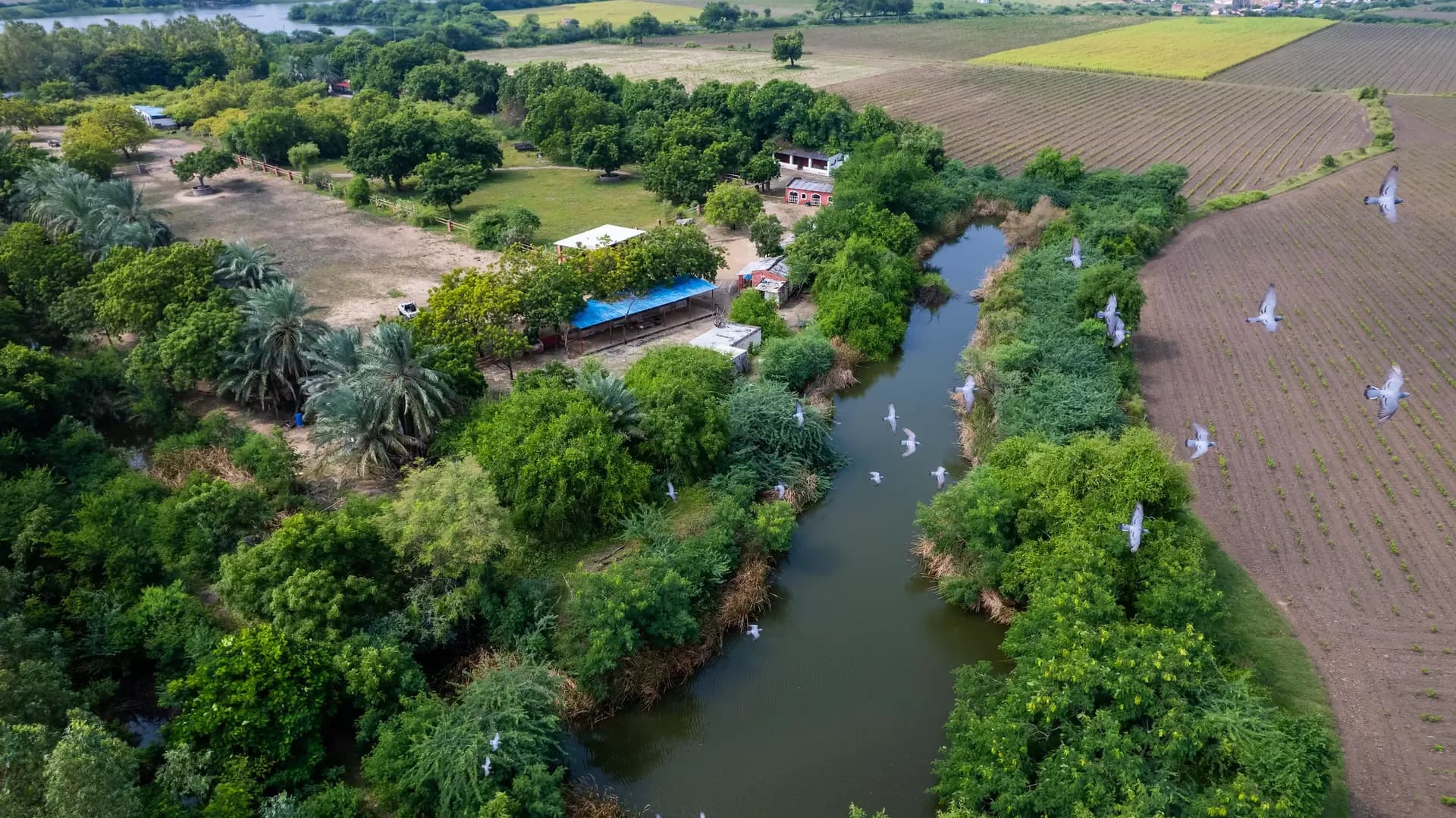
Energy-efficient lights reduce consumption, while water management is handled through an ecological system where grey and brown water pass through baffle filters and reed beds, with the aim of creating a clean wetland ecosystem for birds and fauna. Water-hardy local flora reduces irrigation demand, making the landscape more suitable to its climate.
Waste management is disciplined. The property follows a strict no-plastic policy, avoids plastic bottles on safaris and activities, uses reusable bathroom dispensers, avoids single-use sachets, segregates waste, composts, recycles, and operates a sewage treatment plant.
Rann Riders has a strong social and cultural story. Local artisan communities, including weavers, embroiderers, potters, Mir women, Rabari women, and others, are supported through direct sales and visibility. The resort supports Kharapat Rabari embroidery and plans a craft village where artisans can showcase and sell their work.
Biodiversity conservation is tied to the Little Rann landscape. The property focuses on rewilding within the hotel and supporting indigenous flora and fauna. Local sourcing, reduced packaging, fresh produce, and waste reduction all help lower the property’s footprint.
Its community engagement is particularly practical. Artisans are given demonstration and sales opportunities without commissions, and the team works with local authorities on village waste management, recycling systems, artisan platforms, and tourist facilities.
Rann Riders understands that a desert is not empty. It is full of knowledge: ecological, pastoral, artistic, and social. The hotel’s role is to let that knowledge remain visible.










-320x320.webp&w=3840&q=75)