

-1080x377.webp&w=3840&q=75)
gINKgo I The RARE Collection Newsletter I Look Again: A RARE Perspective I Vol 126 I August 2026

Dear Travellers...
Some things take six months because they need six months. Others take six months because there are too many opinions to consider, many details to check and because one never quite knows when to stop after, "just one more change."
It took us six months but the new RARE website is finally here. www.rareindia.com
It is in some ways, a website. In other ways, it is a representation of where RARE has arrived – and a glimpse of where we are headed to as a community!
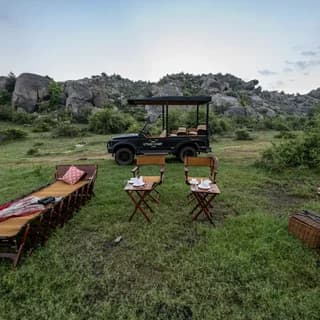
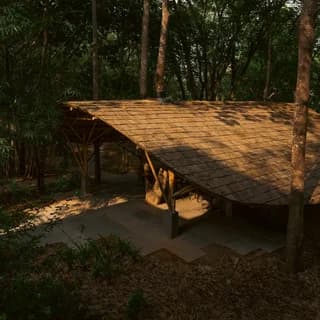
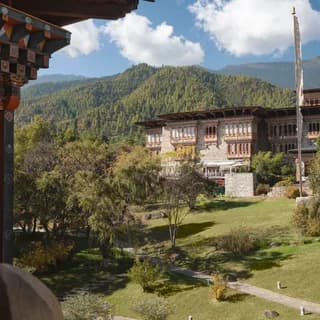
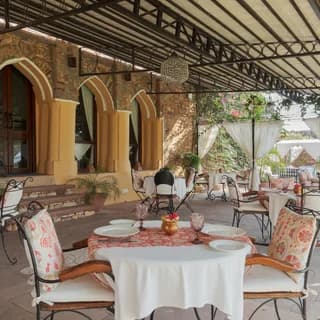
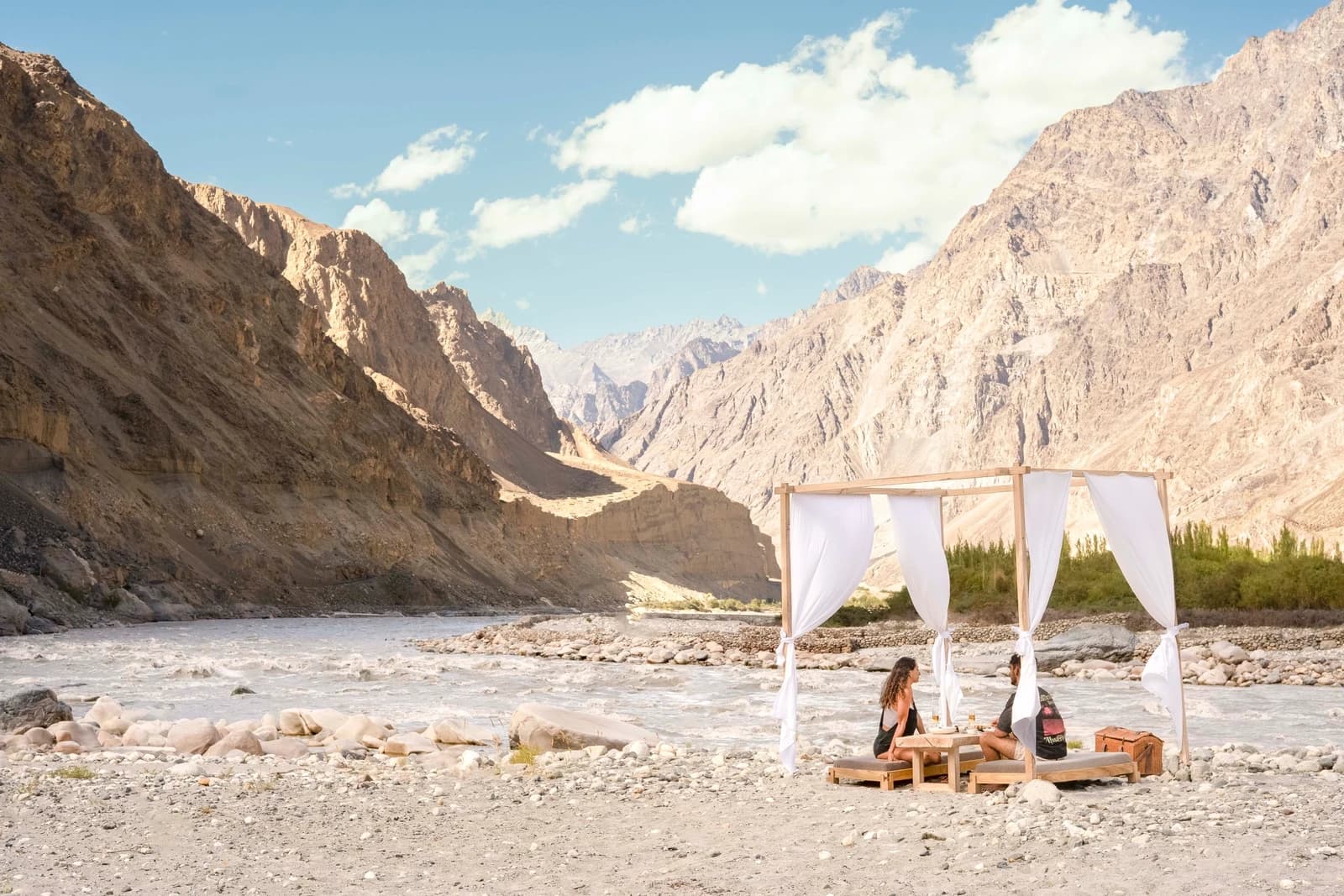
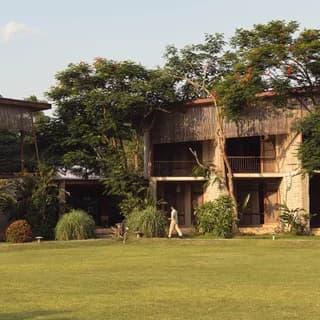
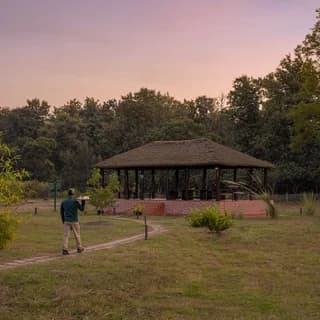
Among the latest are The Bhuj House and Fort Rampura Ravine Retreat in the West; The Doksa and Zhiwaling Heritage in the mountains; Camp TigerLily, Tipai - Wildlife Luxuries and Mela Kothi - Chambal Safari Lodge in the wild heartlands; and The Kin Hotel, The 7 Doors House, Urvinkaan An Estate Hotel, KARA and Kayal further South. Different landscapes, different histories, varied experiences.
Each is a full story and also a melange of several stories. And perhaps that is what makes the collection beguiling. RARE was never meant to be a particular look, a particular kind of hotel, not even a specified idea of luxury. It is a collection of places as individualistic as the owners themselves. Hence RARE !
And then there are experiences — moments that continue to unfold at every place.
A forest at a particular hour. A conversation that goes on longer than expected. A meal, a river, a village, a person, a story, things that cannot all be put into a brochure.
Above all we try never to shift focus from our Planet and People first perspective.
The new website brings fresh destination insights and stories together. But more importantly, there is room to keep discovering, questioning, adding, changing and telling them better.
We have only one suggestion.
Wander, explore, return !
Piyasha Mitra
The Curious Chronicler
Behold a different Goa, behind seven doors in Pilerne
Goa, particularly North Goa, is often seen through its beaches and nightlife. But look a little inward, beyond the western strip and the usual season of travel, and another Goa emerges. A Goa that is often ignored, particularly in the monsoon. A Goa that is hearty, lush, quieter and slow calling for leisurely walks, long meals, quiet settings and conversations.
Walk through a wado, step into centuries-old churches, browse local markets, explore Kaavi art, kayak through the Mandovi mangroves, find a bar playing Fado and eat at places where you eat like a local among the natives. Go further still: birding on the Socorro Plateau, village hikes, meeting local artists and craftsmen or sitting down to a garden-led meal that begins, as good meals often do, with what is growing around you.
Each activity circles you back to The 7 Doors House where speciality coffee is served with bird song, savour more than one kind of poee, chill with the mango and rain trees, meet resident cats and dogs, and hear stories behind the antiques and stained glass. With Leenika as host, the house becomes more than a beautiful restoration. With an eye for art, food, design and local connections, with Leenika Goa begins to reveal itself differently — textured, more intimate, and hence you belong.
A City to Walk, A Haveli to Remember
A Walk Into Old Delhi
Old Delhi is not really a place one simply visits. It is a place one enters — through a lane, a fragrance, a flavour, a sound, a doorway or a story. The walks at Haveli Dharampura take you into day to day Shahjahanabad as it actually lives and breathes: a juxtaposition of contrasts. Temple bells and azaans, incense and spice, old havelis, bustling bazaars, artisans and people who continue to give the neighbourhood its enduring character. There are sacred shrines, lost lanes, ancient markets and the extraordinary throb of the old city. And then there is the food walk a Haveli Dharampura Experience — through Khari Baoli and Naughara, past spice merchants and old neighbourhoods, stopping for puri-halwa, parathas, samosas and jalebis. It is history as a tasting experience. The kind of walk where the city keeps shaping the journey along the way.
When Haveli Dharampura Comes Alive
Then there is the evening at the Haveli Dharampura, which feels like the fabled 'purani Dilli'. Walk through the haveli's grand archways, lanterns and rose petals leading the way, to begin with a saffron-infused welcome drink that builds nostalgia. Begin on the rooftop to try your hand flying a kite made just for you and let it soar among pigeons returning home even as the evening light softens over the iconic skyline of the Red Fort, mosque, minarets, markets and stacked residences. Walk a few test eps down to the haveli's restored floors to be enveloped by live classical music of sitar and soulful ghazals followed by a riveting Kathak performance in the well lit alcoves and seen from the opposite balconies.
At Lakhori, a five-course Mughlai and old Delhi street-fare inspired dinner unfolds as a sampler menu, accompanied by a selection of house wines and cocktails.
Chhau, Once Again
Chhau returns to The Belgadia Palace on 29, 30 & 31 January 2027 for three days of movement, music, mask and myth, bringing together an extraordinary living tradition in the stunning setting of Baripada, Mayurbhanj, Odisha. Cuisine, local markets, crafts and textiles become part of the festival too, offering a glimpse into the place and its culture.
Set in the quiet town of Baripada, The Belgadia Palace is a 200-year-old Victorian-era residence of the erstwhile Mayurbhanj royal family, lovingly restored by sisters Mrinalika and Akshita M. Bhanj Deo. It feels like the right place for Chhau to return for a third time — a palace with its own history of preservation, offering an ancient art form the space to remain wonderfully, insistently alive.
There is something about watching Chhau that closes the distance between performance, art and life. The mask, the movement, the music, the stories — all of it is ancient, and yet completely present. Perhaps this is what living traditions do: they remind us that some things survive because they are still being performed, loved and passed on. Three Chhaus from three regions in the east, three very different ways of carrying a story through movement and expressions — Mayurbhanj, dynamic and rooted in martial traditions; Saraikela, of refined movements and an emotion related thru the mask; and Purulia, vibrant and dramatic. Alongside the performances are conversations, stories from folklore and mythology, workshops and meetings with artists — the cultural custodians who carry these traditions forward.
At Belgadia, Chhau becomes part of a larger dialogue with Odisha — its people, food, craft, landscape and living memory.
To book write to Piyasha at piyasha@rareindia.com










-320x320.webp&w=3840&q=75)