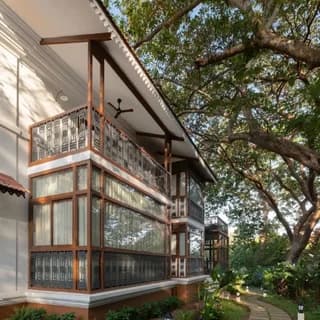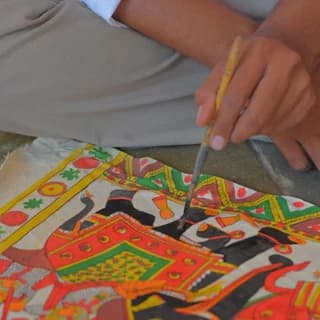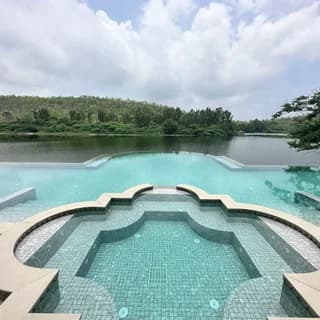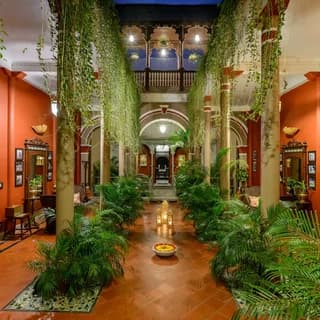



Tiger Mountain, Pokhara Lodge, The Nanee and The Sanctuary Resort Featyred

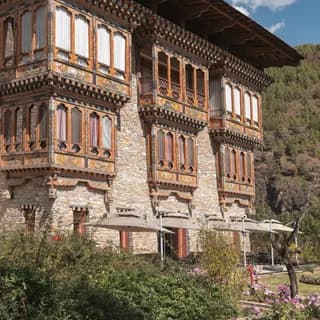
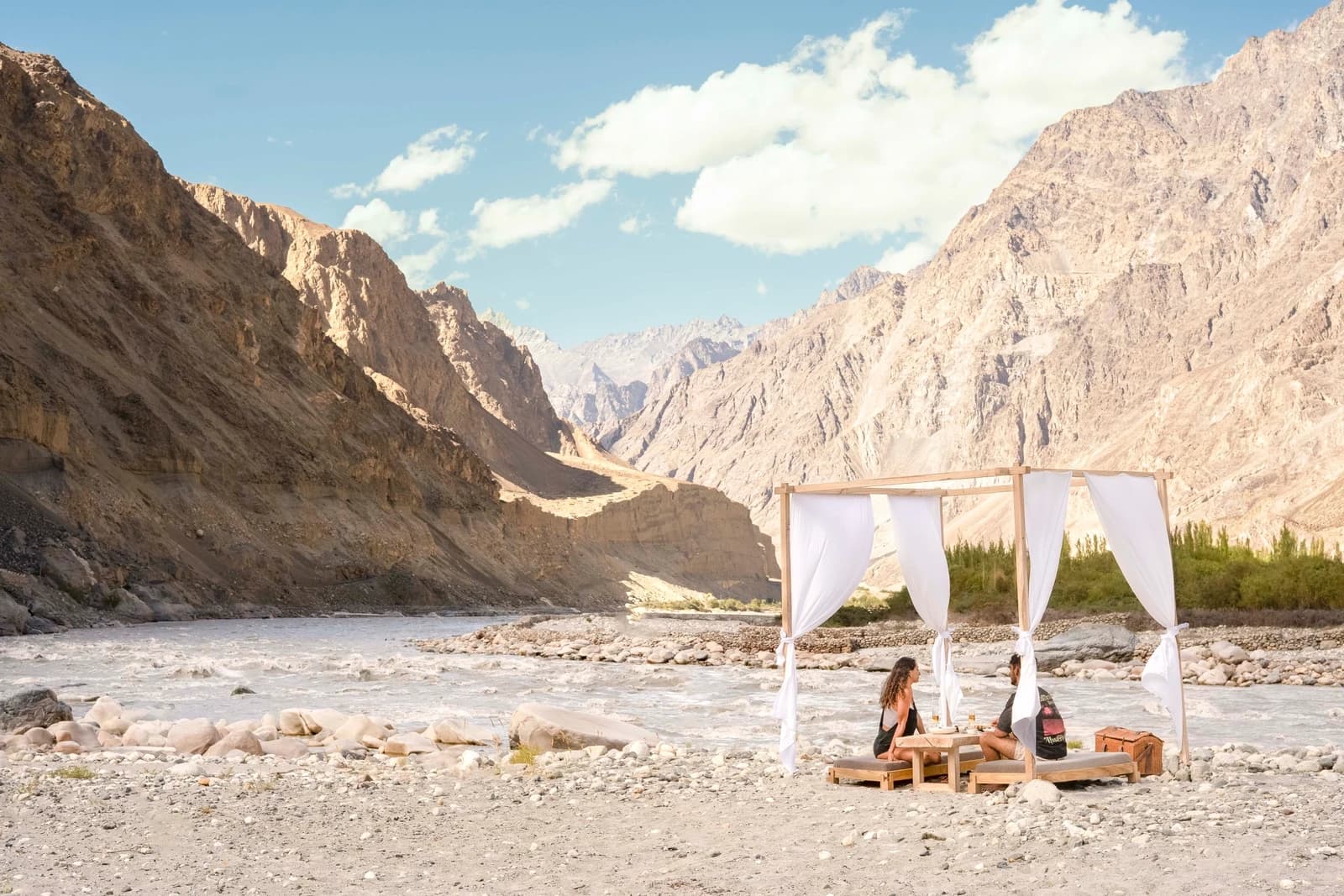
The Shinta Mani Mustang-- a 29-suite luxury propertythat opened in the remote western town of Jomsongin August 2023 -- has helped bring Nepal into the top-end segment. (Shinta Mani Mustang)
KATHMANDU -- Jomsom, a small town tucked between rocky cliffs and the Himalayas in remote Mustang, westernNepal, has been accessible to foreigners only since 1992. It is the last place on Earth where you would expect to find a luxury designer hotel. But the Shinta Mani Mustang, a 29-suite luxury property that opened in August 2023, has made the remote town a destination for the discerning.
The hotel, designed by the well-known American architect and interior designer Bill Bensley, offers luxurious rooms furnished with Tibetan antiquesand fine art and craft pieces, along with wellness treatments and top-tier dining. The price is$1,800per person per night (for a minimumof five nights)-- a tariff that would have shocked the hippie adventurers who flocked to Kathmandu in the 1970s, paving a path that quickly turned Nepal into a prime destination for Western backpackers.
But the Shinta Mani Mustangis a symbol of Nepal'sburgeoning transformation from a haven for low-cost trekkers -- the spiritual descendants of those 1970shippies -- to a luxury destination for international travelerssearching for the next travel sensation.
Jason Friedman, of J. M. Friedman & Co, a luxury resort consultancy, says
Nepal's long-standing international reputation as a location for budget travelers, reinforced by political upheavals and natural disasters, initially drove travelers seeking luxury accommodation in the Himalayas to travel to Bhutan and India.
That is changing as a more stable political environment in Nepal, backed by government investment incentives, encourages a surgein luxury developments ranging from plush hotels and pop-up luxury camps to private jet services and well-appointed cabins targeting the growing demand for environmentally
sustainable wildlife tourism.

The Shinta Mani Mustang offers dramatic views in addition to a luxury experience. (Shinta Mani Mustang)
Levels of servicein Nepal are often very good, and the countryis replete with magnificent landscapes. But the country is not perfectas a travel destination. Domestic air travel leaves a lot to be desired; flights are often at the mercy of harsh weather and the industry has a poor safety record. Roads are often
tortuous and crowded -- many new highways are under construction but not yet in use.
Nevertheless, inbound tourismis on a roll, with international visitornumbers reaching 1 million in 2023, the highest since 2018, with Indian and Chinese
vacationers leading the charge, according to the Nepal Tourism Board. As a result, tourism and travel is now Nepal'sfourth-largest employer, accounting for approximately 6.7% of gross domestic product, according to a Nepalese government study.
Until very recently, the country's international image revolved largelyaround backpackers and trekkers. But Friedman says the opening of the Shinta Mani
Mustang a year ago has changed the perception of Nepal from a backpacker-only destination to a luxury experiential destination. "We have also seen a clear shift in the domestic perception of Nepal by a new interest in the development of luxury properties and experiences within the country," he noted.

Designed by the well-known American architect and interior designerBill Bensley, the Shinta Mani Mustang costs $1,800 per person per night, for a minimum of five nights. (Shinta Mani Mustang)
Namgyal Sherpa, owner of Sherpa Hospitality Group, which owns the Jomsom hotel in partnership with the Shinta Mani hotel chain, says it was his dream "to createworld-class, luxury hotel experiences in the Himalayas... to help position Nepal as a quality, luxury destination and not just for the budget traveler."
Some experts say that the backpacker imagewas always a little misleading, given that luxury traveloperators such as Mountain TravelNepal and TigerTops, both based in Kathmandu, startedoffering wildlife safarisas early as the 1960s. These trips were so successful that Indira Gandhi,prime minister of India from 1966 to 1977and 1980 to 1984, once asked acerbically: "Why do we have to look to Nepal to operate wildlife tourism?"
More recently, MTN and Tiger Tops have also been pioneers of sustainable
wildlife tourism, says Shoba Mohan, founder of RARE India, a New Delhi-based company that markets privately owned boutique properties in India, Nepal and Sri Lanka. The two companiesjointly established Tiger Mountain PokharaLodge in 1998 in Pokhara, a small city in central Nepal, which has "embraced fully
regenerative tourism, championing the cutting edge of tourismapproaches in the middle hills of Nepal," says Mohan.
Five-star hotels such as the Soaltee in Kathmandu also began to open in Nepal in the 1960s, but many more are now being added, including the Dusit Thani Himalayan Resort Dhulikhel, recently opened by Thailand's Dusit Hotels group on the outskirts of Kathmandu, and the Sanctuary Chitwan National Park, on
Nepal's southern border with India. Ajit B. Rana, general manager of the Sanctuary group, says it is "proud to be part of Nepal'sevolving journey from a backpacker haven to a sustainable luxury destination."


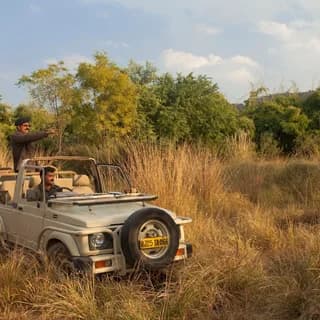
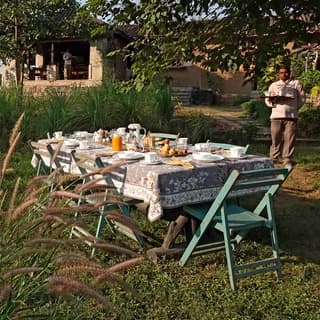
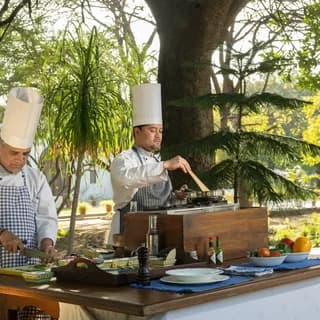
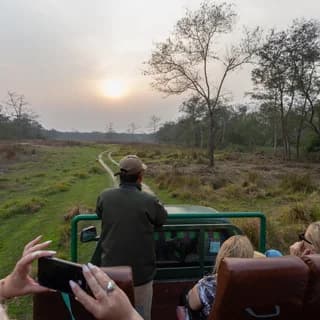
Top and Bottom: The Sanctuary Resort in Chitwan National Park is located on Nepal's southern border with India. Designed to look like a local Tharu village, it offers a high-end experience within a rusticnatural environment. (Photosby Kalpana Sunder)
Other luxury travel operators are entering the country in droves. U.K.-based IHG Hotels and Resorts has announced that the Intercontinental brand will debut shortly, with three properties planned. India's Postcard Hotels has opened a hotel in Thimpu and is making its debut in Chitwan. And the Kunda Himalayan Resort & Spa, with villas located at 3,000 meters above sea level, will open in the town of Phalpu in 2025. Meanwhile, the latest luxury hotel to open in Kathmandu this year is also its tallest -- the 172-room Hilton Kathmandu boasts panoramic views of the mountains.
There are also many luxurious heritage properties in Nepal, led by Dwarika's in Kathmandu -- one of the first truly luxurious hotels that also was a heritage property. The late Das Shreshta, Dwarika's owner, is said to have seen someone cutting an old carved pillar for firewood in 1952 and started collecting old
window frames, pillars and doors to try to preserve vestiges of the country's architectural heritage. Many of these furnishings feature in his hotel, which feels like a heritage museum with red brick, exposed wooden beams, intricately carved windows and a 13th-century door.
Entrepreneur Pawan Tuladhar has also transformed old houses in Patan, a historic city in the KathmanduValley, into touristaccommodation, following
Dwarika's example. Anothernew restoration project,the Nepali Ghar Hotel -- a 61-room hotel nestled in Kathmandu's vibrant Thamel area -- combines traditional Nepali architecture with contemporary comforts housed in a renovated 200-year-old building.


Top: The recently opened Hilton Kathmandu with its terrace bar is the latest upmarket outpost in the Nepalese capital. (Hilton Hotels) Bottom left and right: Dwarika's is one of Nepal's first plush heritage hotels. (Photos by Kalpana Sunder)
Luxury travel is also making headway in Nepal's climbing areas, focused on regions around Mount Everest and the Annapurna range, where luxury accommodation has traditionally been unavailable. A collection of luxury lodges dotting the Everest region has recently been launched by Sherpa Hospitality Group, and Mountain Lodges of Nepal offers accommodation around Everest, Annapurna and in Chitwan National Park. MLN's 12-night Everest itinerary features stays at eight luxury lodges for around $5,000 per person on a twin room-sharing basis.
"Nepal is now turning into a luxury destination, which we are very excited about," says Catherine Heald, co-founder and CEO of Remote Lands, a luxury tour operator based in New York that uses helicopters to transport visitors who want to hike up to Everest Base Camp (the starting point for climbers heading for the peak) but do not want to walk back. Mount Everest stands at 8,849 meters
Underscoring the appeal of the luxury travel market opening up in Nepal, Remote Lands is now planning an Everest small-group trip priced at $29,032 per person. "We have changed our positioning on Nepal dramatically since the recent opening of Shinta Mani Mustang," says Heald. "All in all, Nepalcan be a fantastic luxury destination."
Where to stay (upmarket) in Nepal
Dwarika's Heritage Hotel in Kathmanduand its sister property in Dhulikhel are tranquil escapes from the crowded city. Do not miss a gourmet dinner at Krishnarpan restaurant.
The recently opened Hilton Kathmandu has spectacular views of the city.
The Sanctuary ChitwanNational Park has rooms designedlike a local Tharu village and offers safari drives.
The Nanee in Bhaktapur is built like an old courtyard home and offersauthentic cultural experiences.

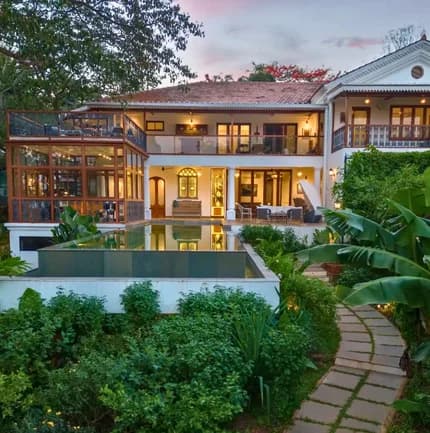
The Naneein Bhaktapur, one of the three formerroyal kingdoms of the Kathmandu Valley, offers immersive experiences and takes its cues from traditional architecture. (Photos by Kalpana Sunder)
The Taj MeghauliSerai in Chitwanis an eco-friendly resort offeringluxurious accommodation and safari drives.
Shinta Mani Mustang in Jomsom offers a remote location and niche experiences.
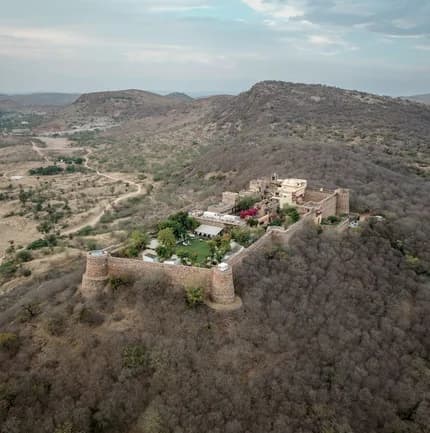
Tiger Mountain PokharaLodge is in a spectacular mountaintop location with sweeping views of the valley.

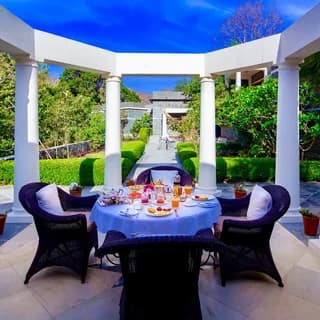
Tiger Mountain Lodge, Pokhara, is one of the pioneers of sustainable luxury in this region. (Photos by Kalpana Sunder)
Do-not-miss locations
Pashupathinath Temple and the Boudhanath Stupa in Kathmandu.
Bhaktapur and Patan, both ancientroyal capitals with stunning architecture and woodcarving traditions.
Bandipur, a hill station in the Mahabaratrange with beautifulbuildings. Upper Mustang, and the sacred Muktinath Temple.
Lumbini, revered as the birthplace of Buddha.

Lumbini, Buddha's birthplace. © Getty Images
Pokhara Valley with Phewa Lake and adventuresports at Sarangot.
Chitwan National Park, home to one-horned rhinos.
Everest Base Camp, in the Khumbu region.
Annapurna Base Camp,with great viewsof the Annapurna massif.
Langtang National Park and its Himalayan biodiversity.